


My friend from gradeschool, Remington Rebstock, had this sign posted on his bedroom door:
No girls. No buttons.
I’m still thinking about it. I grew up in a large family (oldest of twelve) and the concept of having a room to myself was completely foreign, much less a room where I could create and publish my own laws.
Excluding girls made sense but to disallow buttons? How? Why?
When I asked, he responded: “I don’t like buttons.”
(Random preferences are also a foreign concept to children of big families.)
You know the metal snaps on children’s jeans? You have to center them just right and then squeeze the snaps together between your index finger and thumb. They are horrible!
While the rest of us were asking adults to help us button our pants, Remington was cruising around in AND1 gym shorts. My mom made me wear jeans to school and, to my dismay, tuck in my shirt. I was, however, allowed to wear these bad boys so all was not lost.
New Motto
“No girls No buttons” could be the unofficial motto of the AI industry. While software, historically, has been all about the buttons, AI just wants to talk to you.
You are probably familiar with this interface:
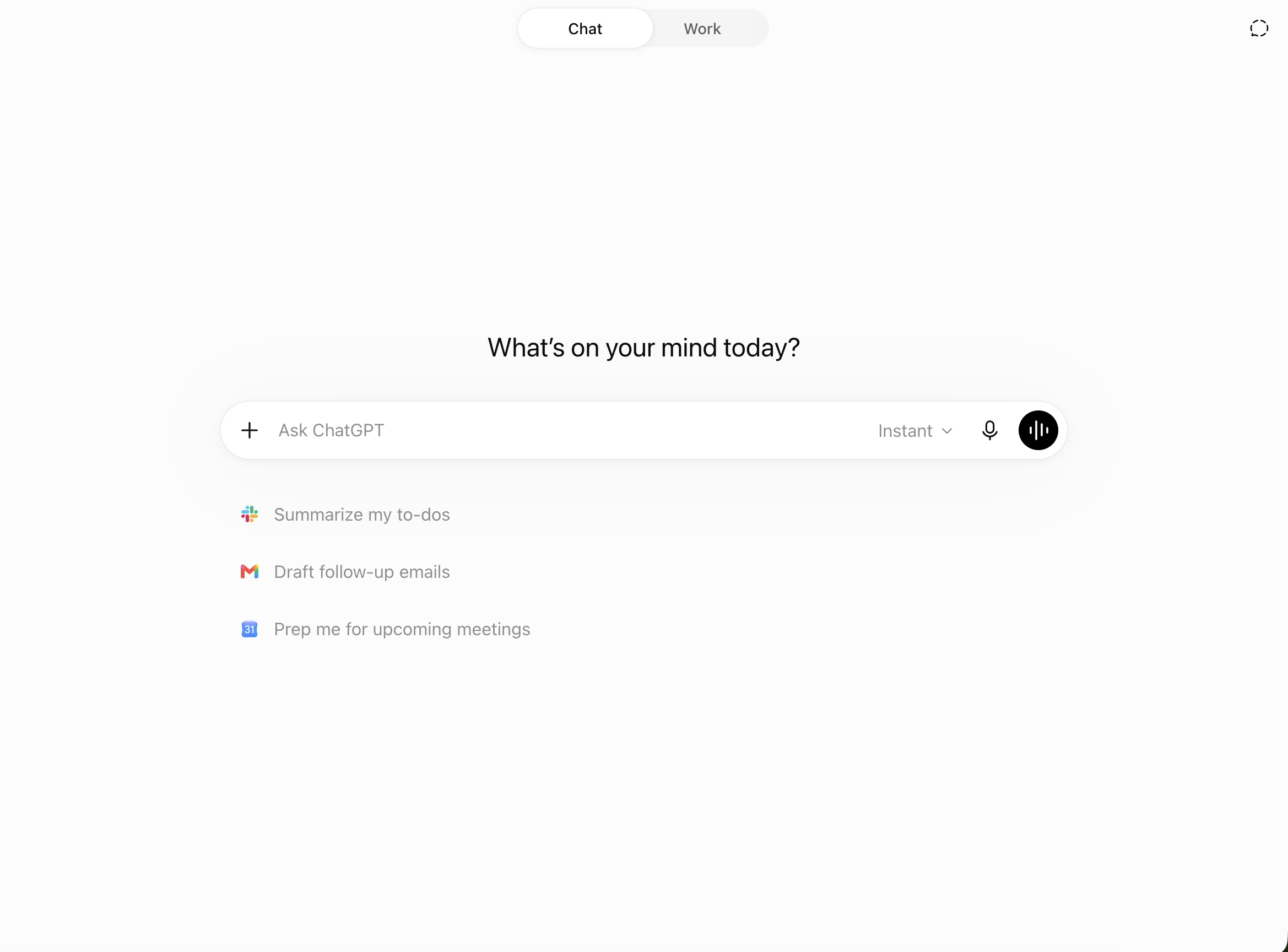
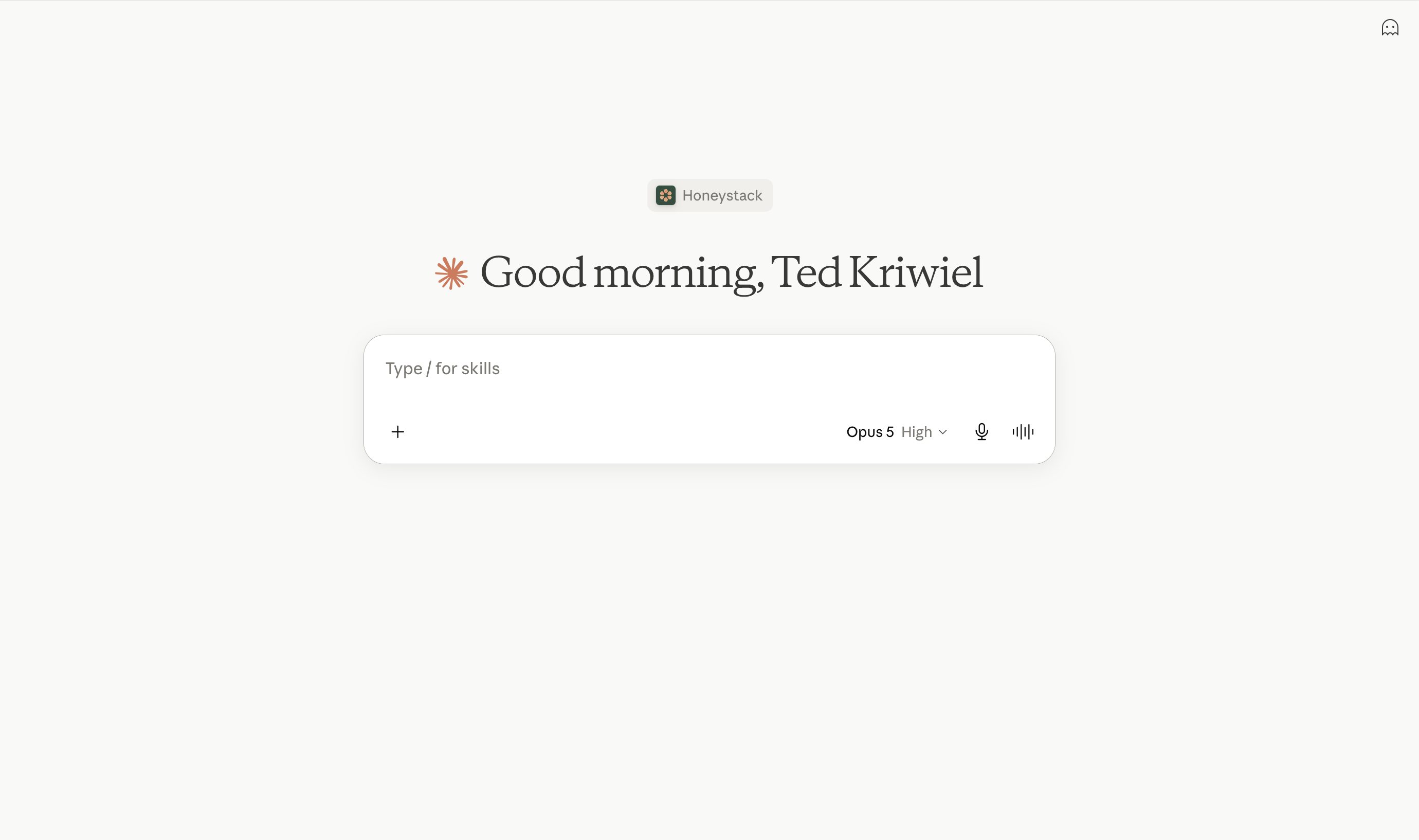
One reason people use AI as a search engine is because the design so clearly resembles Google’s interface. For decades, we’ve been primed to enter a search query when we see a lone rectangle on the center of a screen. Familiarity drives behavior more than we are willing to admit.
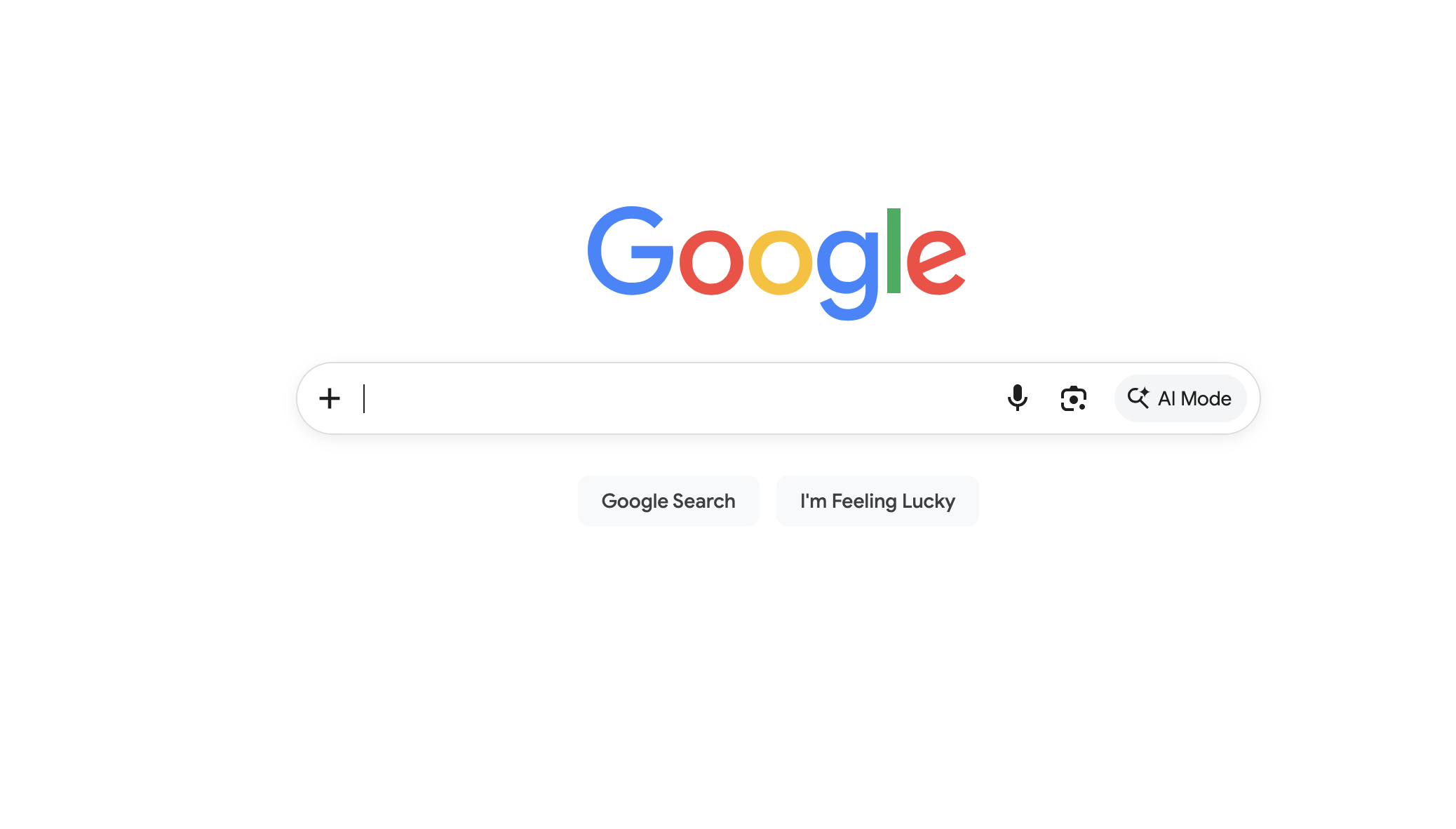
In contrast to Claude or ChatGPT, software is all about the buttons.
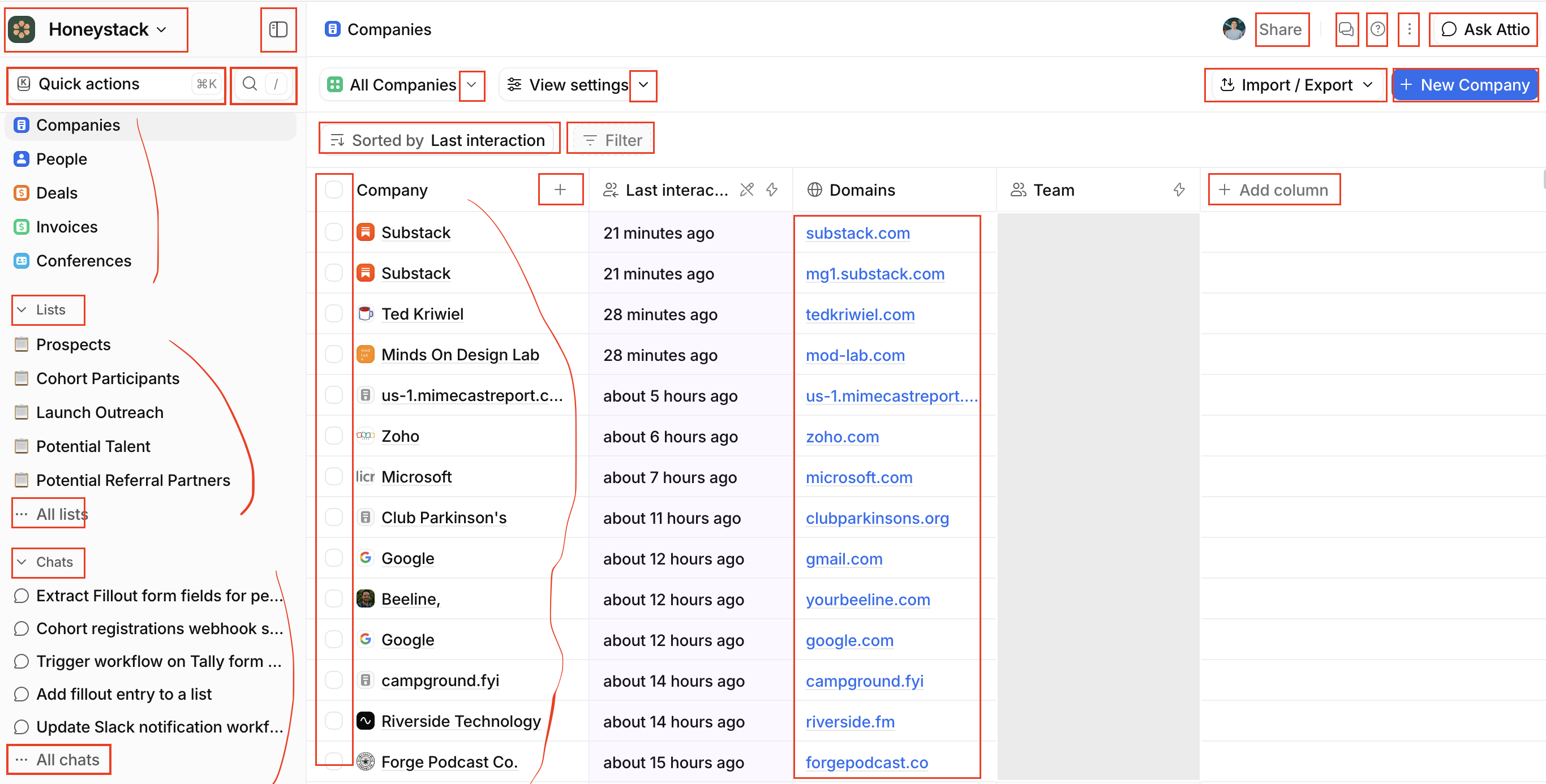
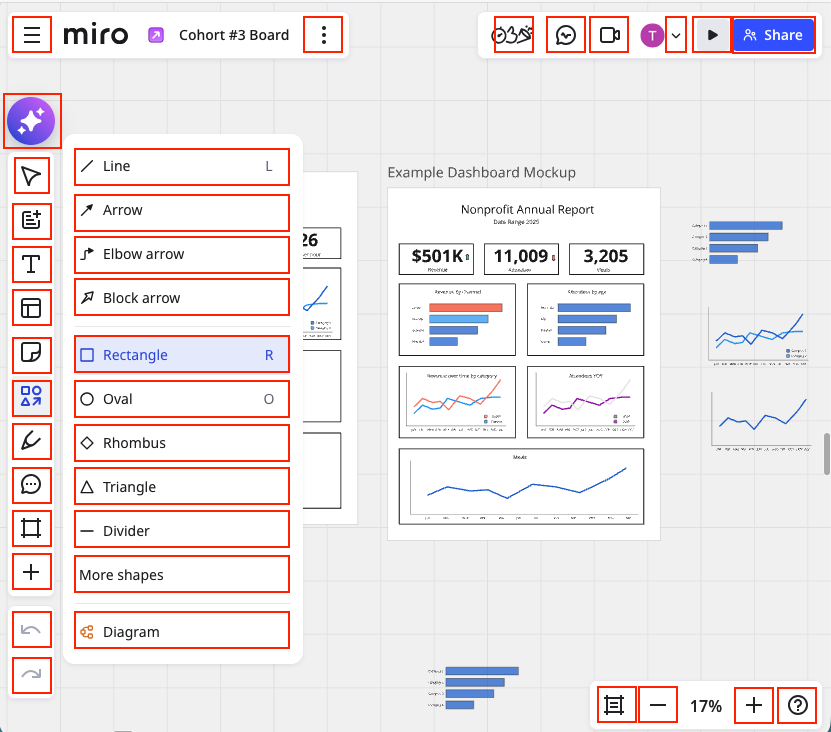
If you only use one or two software, fine. But if you resemble any of the nonprofits in our last cohort who used 22.4 software tools on average, you see a lot of buttons.
To button or not to button is the question.
Last week, while driving to Arkansas, I had the misfortune of using the touch screen in my van. Jony Ive, the designer for the original iPhone, has often explained why touch screens shouldn’t be used in cars. They distract drivers and are dangerous. Ive was recently hired by Ferrari to design the new interior for the all-electric Ferarri Luce. The pendulum is swinging back to buttons!
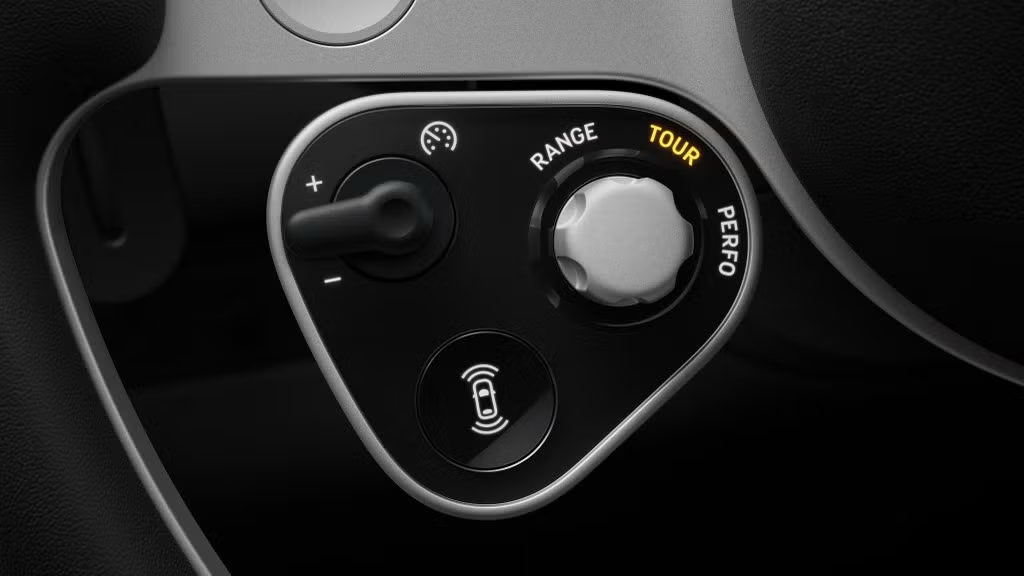
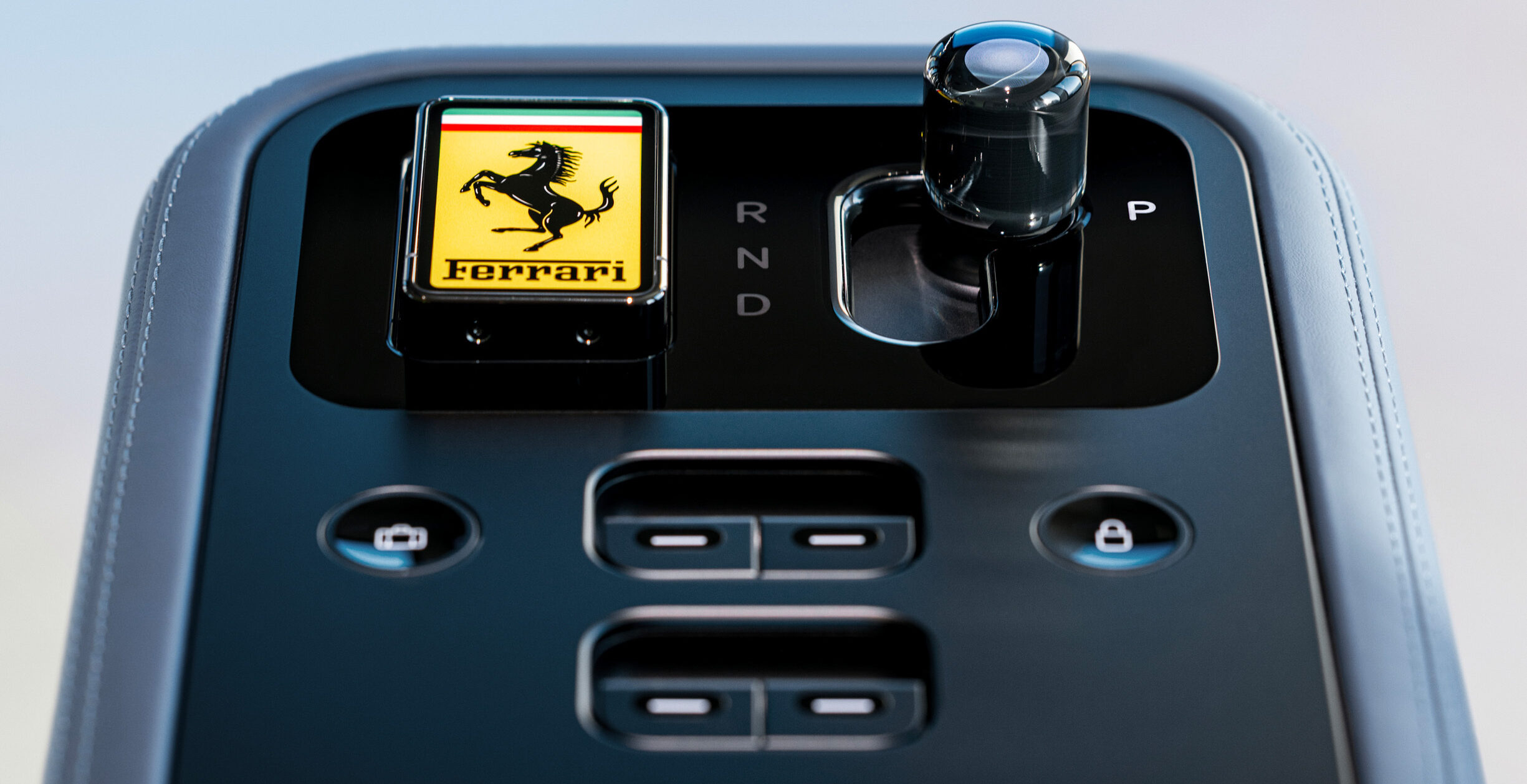
While it technically still has a digital display (booooooo!), even that has knobs and switches and dials.
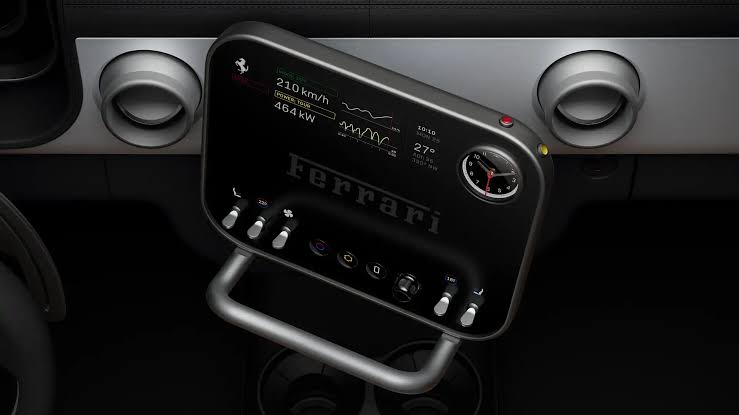
Buttons are all around us.
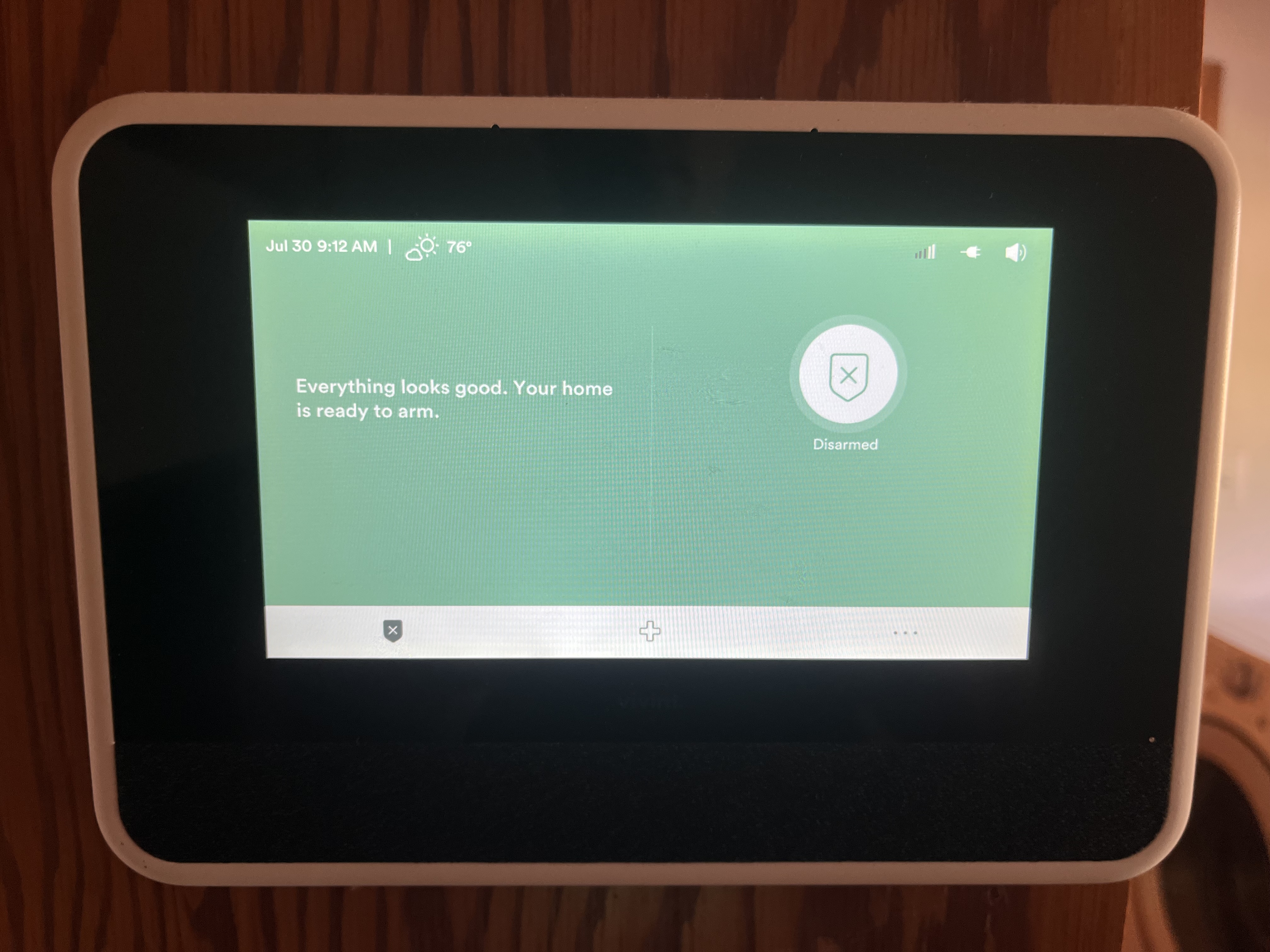
I’ve been reflecting on the buttons and screens in my house.
This security system looks fancy, but it’s terrible. It has a delay on the glass display that makes it really difficult to enter our password as the clock is counting down.
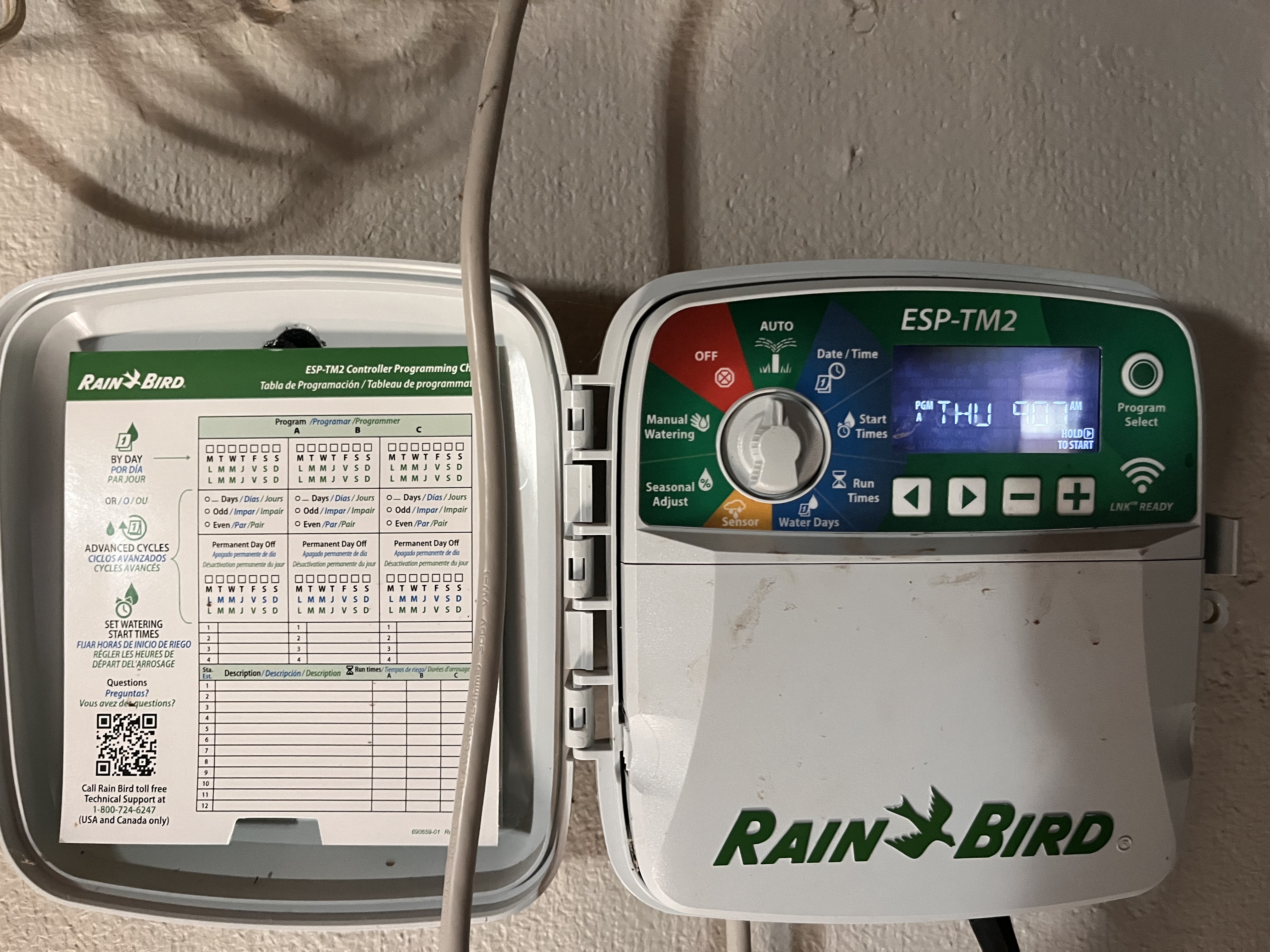
The sprinkler system requires the user to write down their settings on the “helpful” guide. My desire not to use this control panel is probably doing more work to preserve water than any eco movement out there.
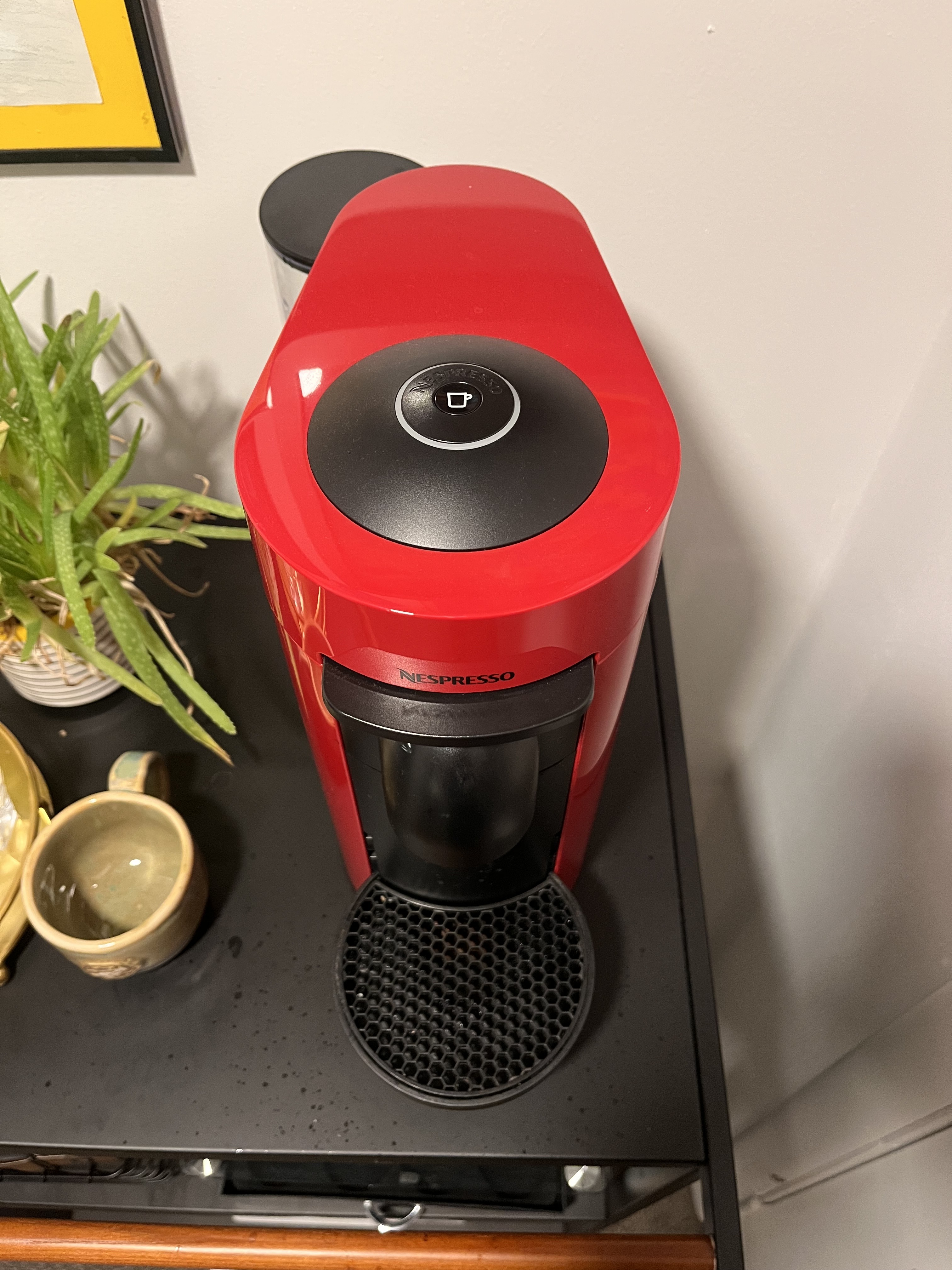
Nespresso is my favorite. One button. No digital display. It never wants to chat with me. It does groan, though.
Do you like buttons and knobs and switches? Or do you prefer digital displays?
When new interfaces like touch screens are introduced to the world, it takes time to find what works. We often find the right applications by being wrong (a lot). Nespresso got it right when they decided not to have digital displays at all. A bold choice though, if that one button fails, it’s over. No software update or patch can fix it.
As an experiment, I wanted to see if I could use Claude to send my newsletter each week (I did today!). It’s kind of cool!
I just ask Claude to send the email.
And then I ask if it sent the email.
Then I ask who it sent it to. And to triple check that it was the right list.
Then I fight the urge to login to Resend to see if it actually actually sent the email.
You can stop using buttons if you want to. But when elastics were invented in the 1820s, buttons and snaps didn’t become obsolete. When I got dressed this morning, I buttoned my non-elastic pants and DID NOT TUCK IN MY SHIRT.
AI is elastic. Software is all buttons.
We’re in the process of figuring out how they should be paired together.
I lost touch with Remington after grade school. I wonder if he ever warmed up to buttons (or girls)? Did he pursue a career that allowed him to wear gym shorts every day? Maybe as he matured, he began to appreciate buttons, and realized his objection wasn’t to the concept itself but to poorly designed ones. That’s an opinion I can get behind. I might even put a sign on my door.
Until next week,
Ted