


Dr. Allender’s out-of-office email responder reads:
“Thank you for your email. I am currently out saving the world, one box turtle at a time.”
Last week, my son and I joined him.
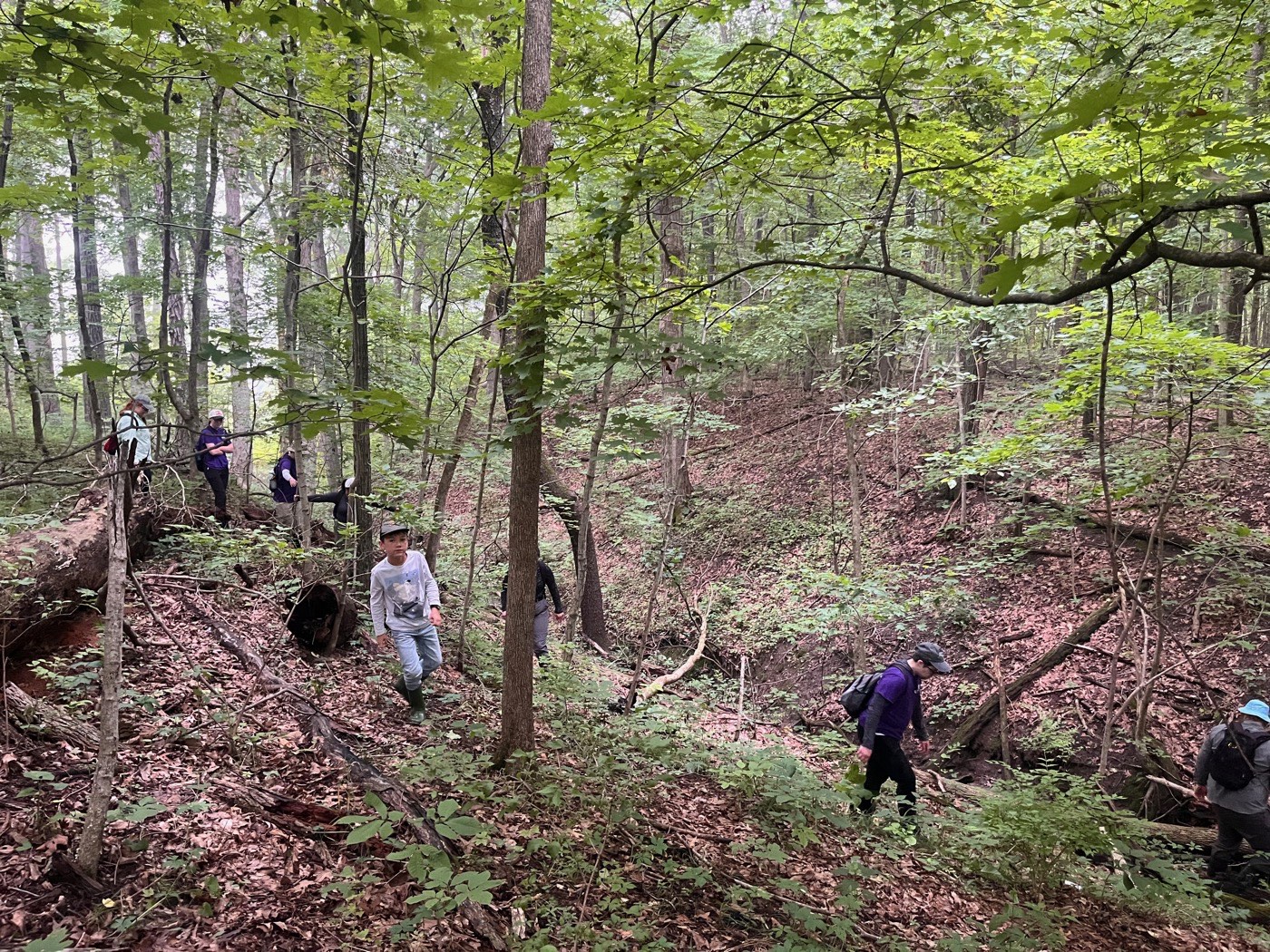
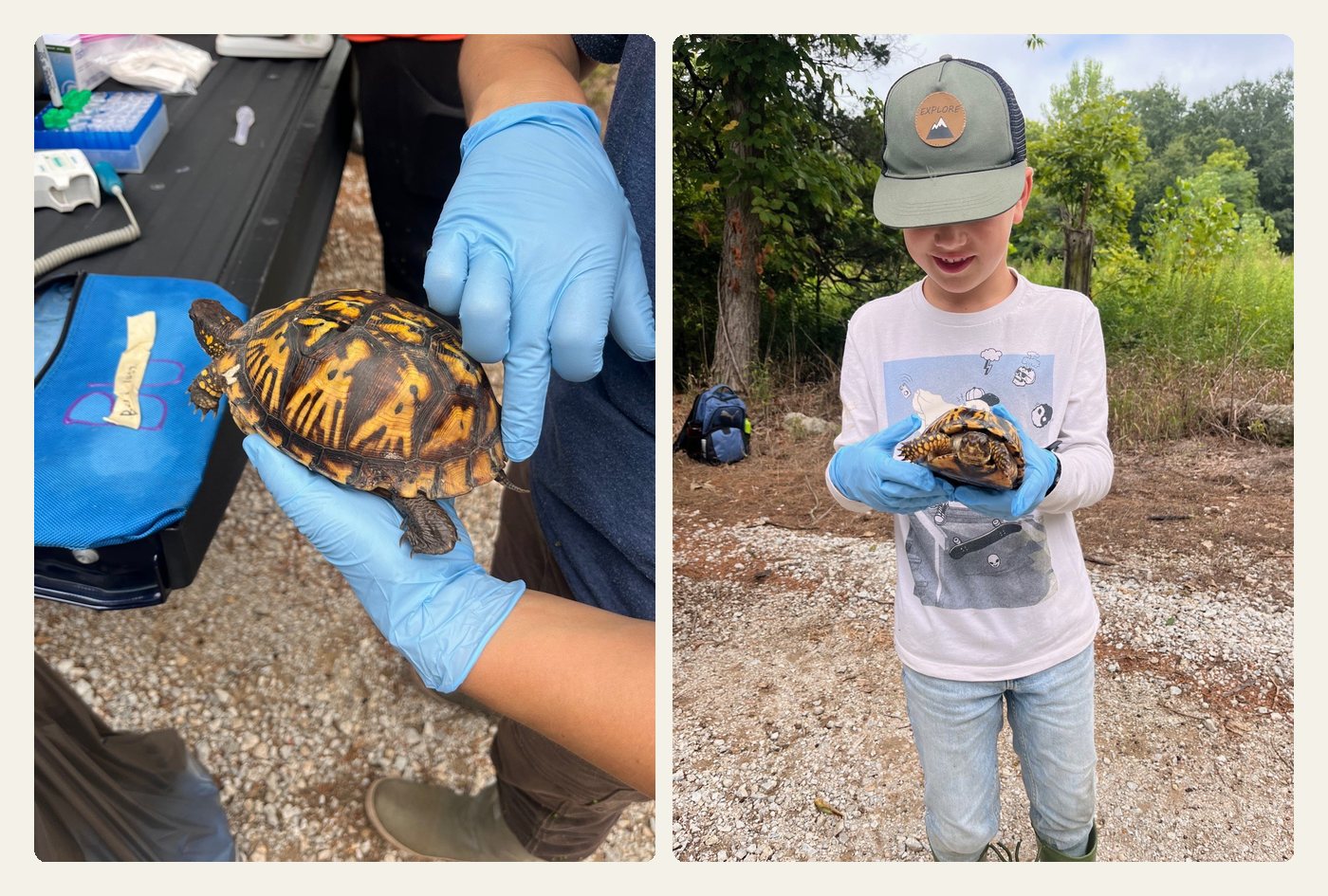
About 45 minutes outside Champaign, Illinois (I won’t tell you where because I don’t know if you can be trusted), we hiked through the woods looking for box turtles.
Two species, to be precise: the Ornate Box Turtle and the Eastern Box Turtle.
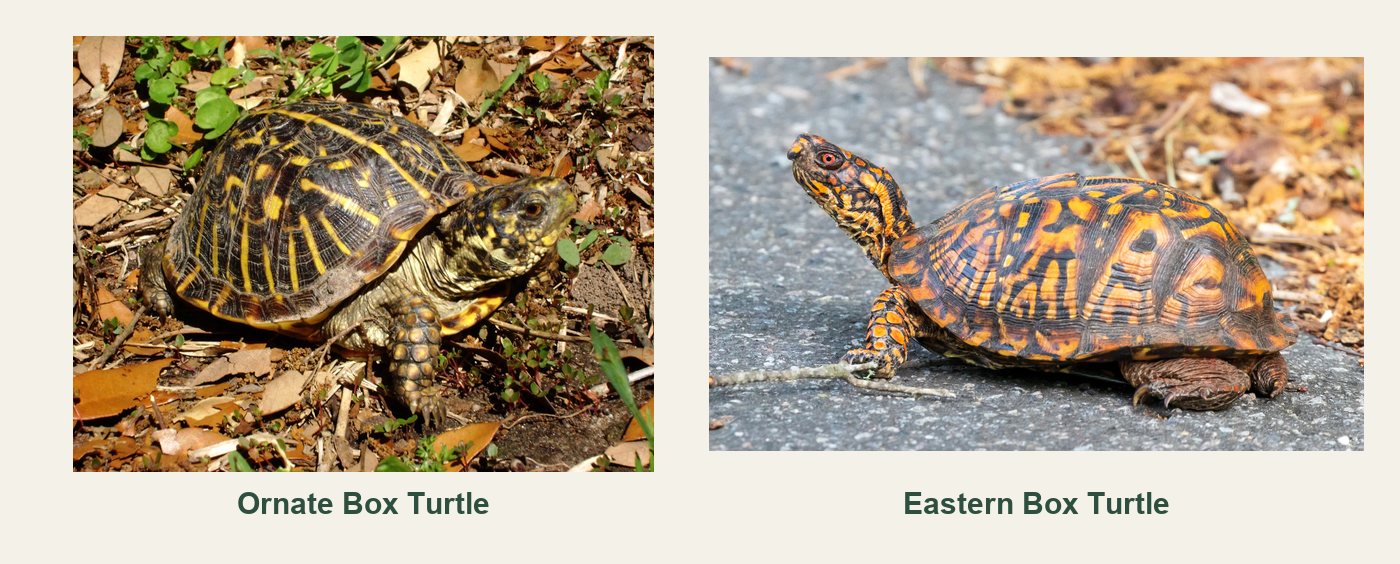
Photos by Patrick Feller and Joshua Liverman.
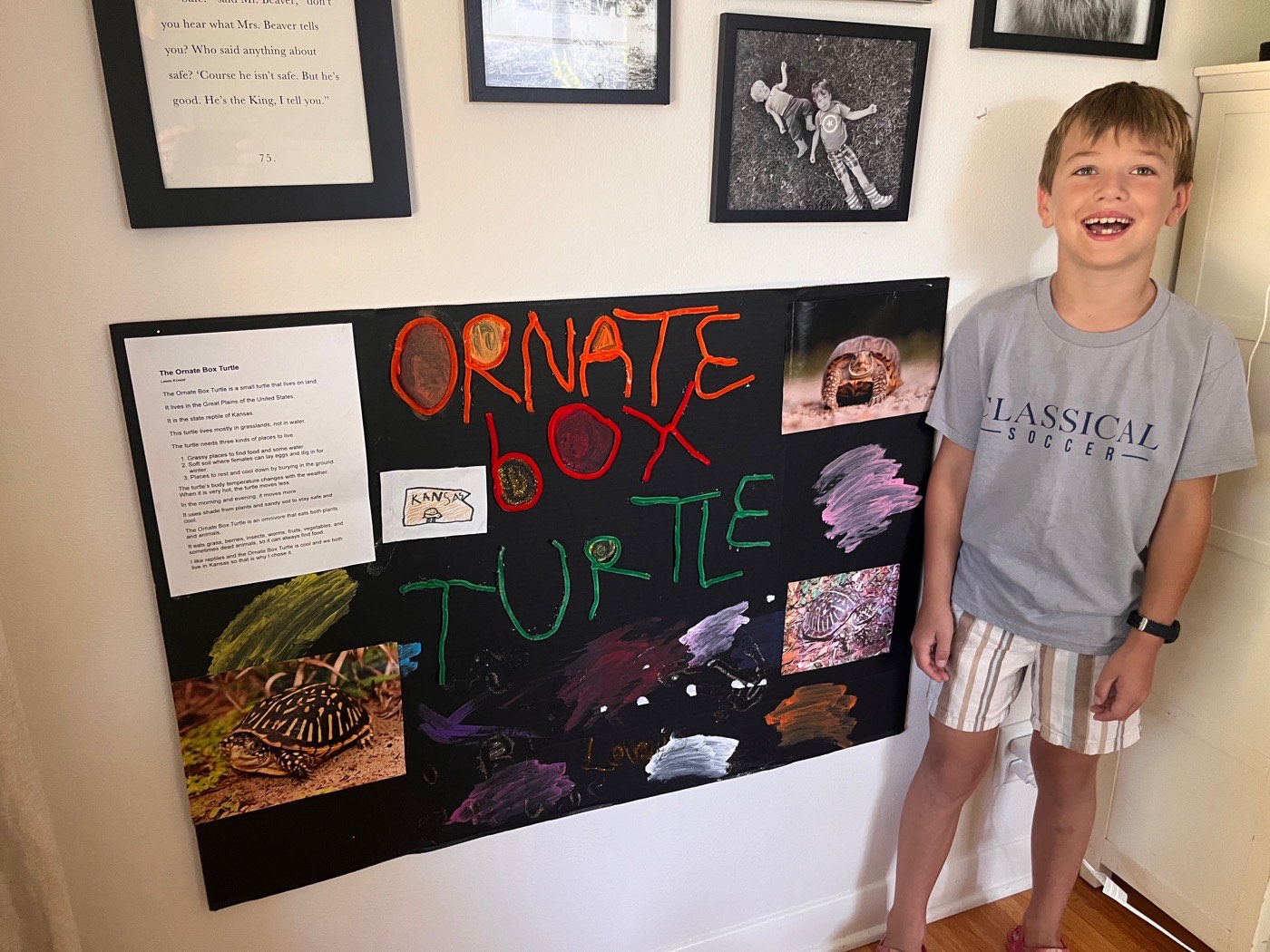
When I told Lewis that he was coming with me (I waited until a few hours before our flight), he had an out-of-body experience. There were many reasons, not least of which: the kid loves turtles. For Kansas Day, he did his presentation on our state reptile, none other than the Ornate Box Turtle.
We found two turtles.
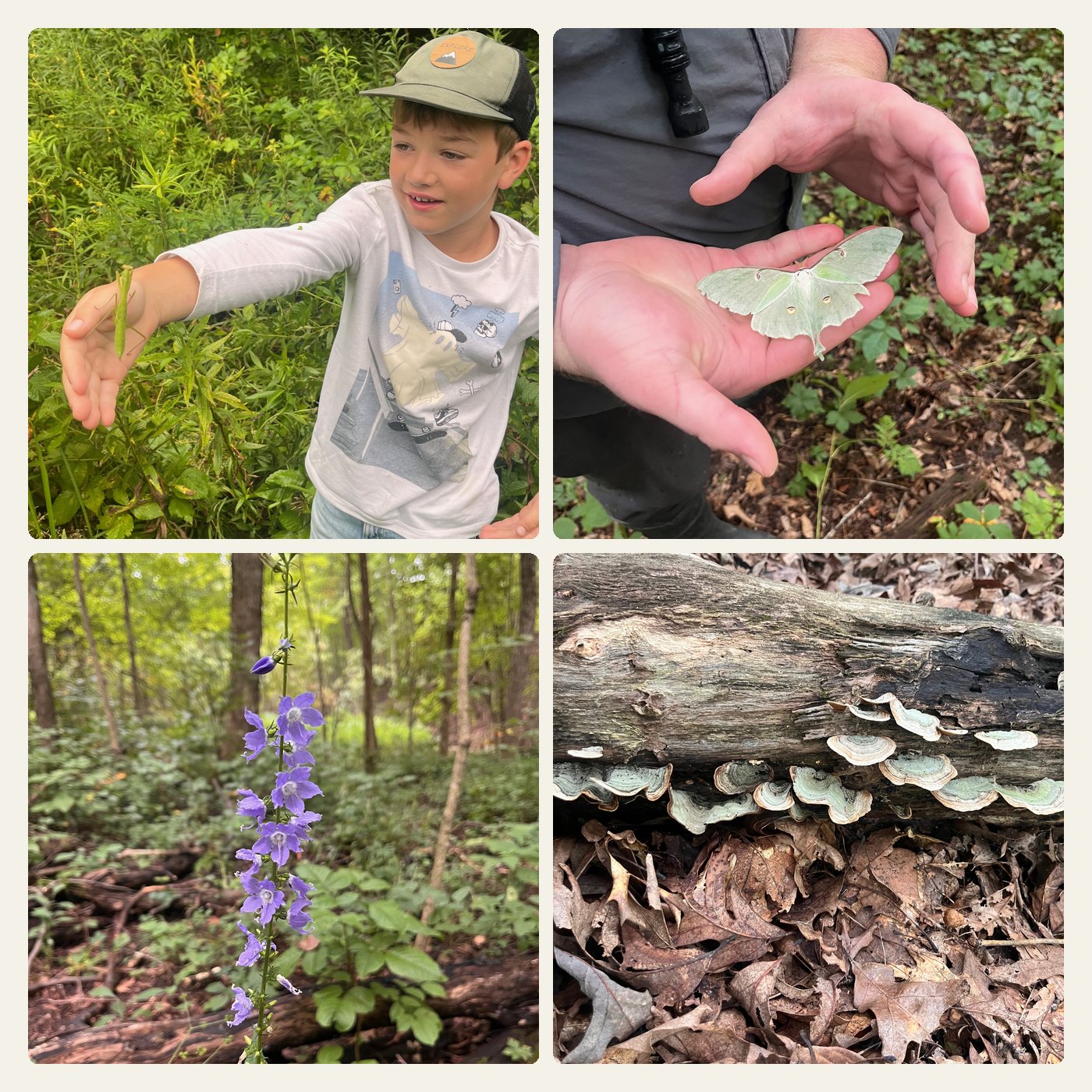
We also saw a praying mantis, luna moth, spiders (everywhere), mushrooms, moss and beautiful wildflowers. For a software developer, it was a great day. For an eight-year-old, the “best day of my life.”
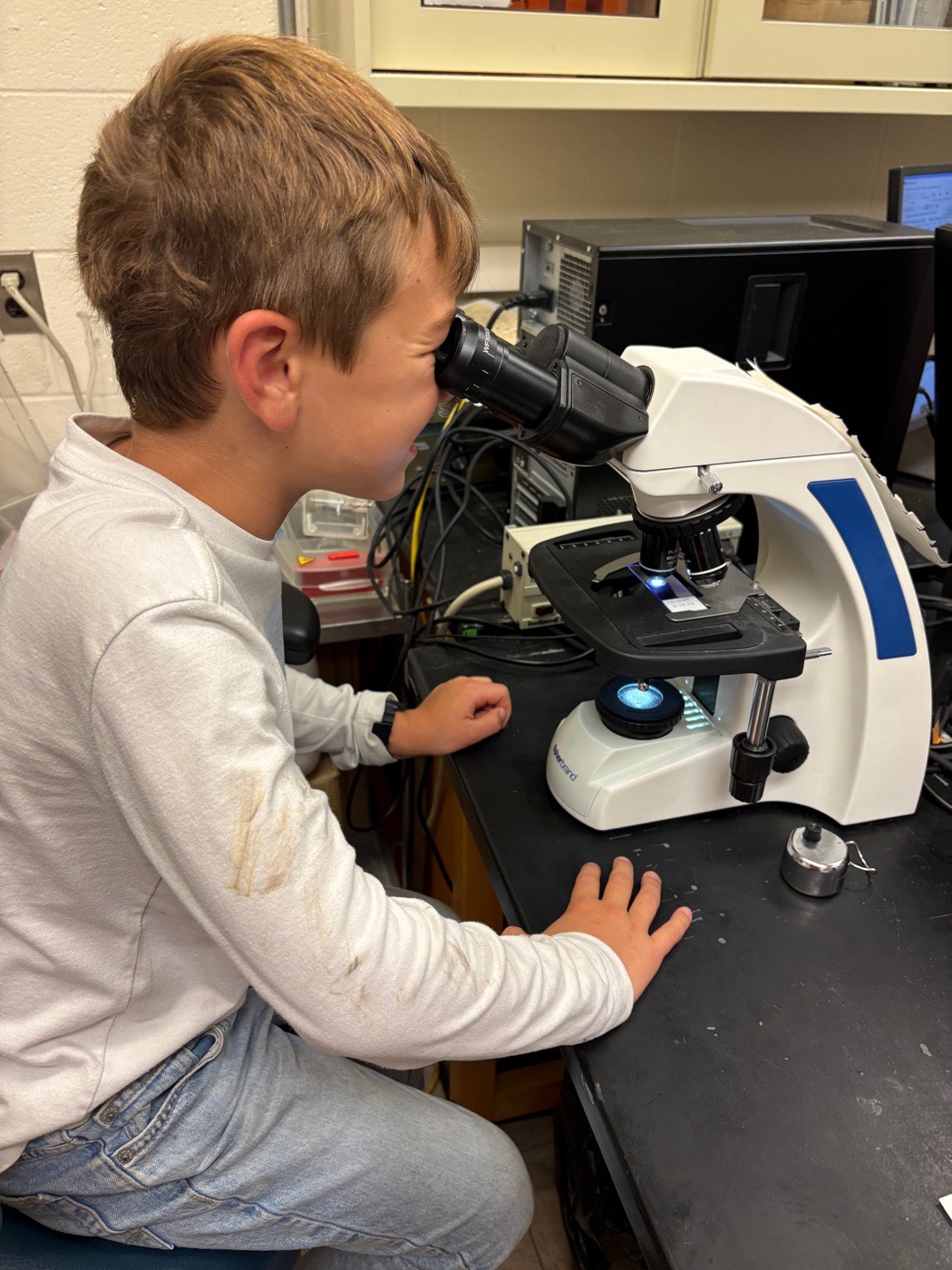
We took swabs and drew blood. One turtle was pregnant, and we were able to feel the ping-pong-ball-esque eggs inside her shell. When we finished, Dr. Allender hiked back into the woods to put the turtles exactly where we found them. Later, at the lab, Lewis got to see the blood samples under the microscope.
Homing instinct
Box turtles, like sea turtles, pigeons and salmon, have a homing instinct. Sea turtles return to the same beach to lay their eggs and salmon swim thousands of miles upstream to spawn. If you remove a turtle from their territory, they will spend the rest of their life trying to find their way back. (PSA: To help one cross the road, take it in whatever direction it was pointing. If you return it to the side it started from, it will try to cross again.)
”What do you want to be when you grow up?”
Lewis gets asked this question a lot. Currently he wants to be an explorer who discovers new species. Since I launched Honeystack, I’ve had a few software developers reach out to me to say, “I want to do what you’re doing!” I feel honored by this and also don’t really know how to respond. I didn’t set out to build turtle tracking software. I wonder if Dr. Allender dreamed of becoming a turtle expert.
Dr. Allender started tracking observations on his laptop decades ago. If I had to guess, he started doing it when no one cared. Fifteen years later, he has an audience. Now people want to know: how are the box turtles doing? He asked us to build software that helps him collect data better, but just as importantly, tell the story to the world.
He hired a software developer because he needs software. He hired Honeystack because he knows we care about animals. Because last fall, we attended the IUCN World Conservation Congress in Abu Dhabi. Because we built software for our animal-loving friends at Reverse the Red.
He hired us because we care about what he cares about.
As we dropped Lewis off for his first day of school today, I’m reminded again that growing up is not about what we become, but who.
The world is very big and very small
Box turtles spend their entire lives within just a few acres. In the three miles we walked that morning, we hurtled across turtle universes.
If you want to be the world’s leading expert in something, it helps if you get really specific. Someone has to be the world’s box turtle expert! Over the next few months, I could very possibly become the world’s leading expert in building turtle tracking software. (lol)
When you watch Dr. Allender lead his team, it’s clear he’s in his element. The software developers reaching out to me might sense the same thing in me. I certainly feel like I’m doing the best work of my career. I don’t have quaint answers about following your dreams or building your ideal career path. My path has been hard and uncertain, and I suspect Dr. Allender’s has been the same way. I don’t know what you should do when you grow up.
All I know is that on the day of the search, there were at least three children walking through that forest. They were sweaty and hot and having the time of their life.
Like turtles that had found their way home.
Until next week,
Ted
PS I’d like to thank Dr. Allender for the invitation. And, specifically, the grad students Becca and Grace, who stayed with Lewis while we hiked, listened to his questions (and many more of his facts) and showed him around the lab. Something he’ll remember for the rest of his life. You can read more about Dr. Allender’s work with the Wildlife Epidemiology Laboratory at the University of Illinois College of Veterinary Medicine.
PPS I’m moderating a panel for some of the top tech CEOs in the nonprofit space. (Givebutter, Instrumentl, Campground, Virtuous.) It’s on August 26. I hope you join us!